If the Market Is Slowing, Why Did Singapore's Luxury Homes Just Spike 25%?
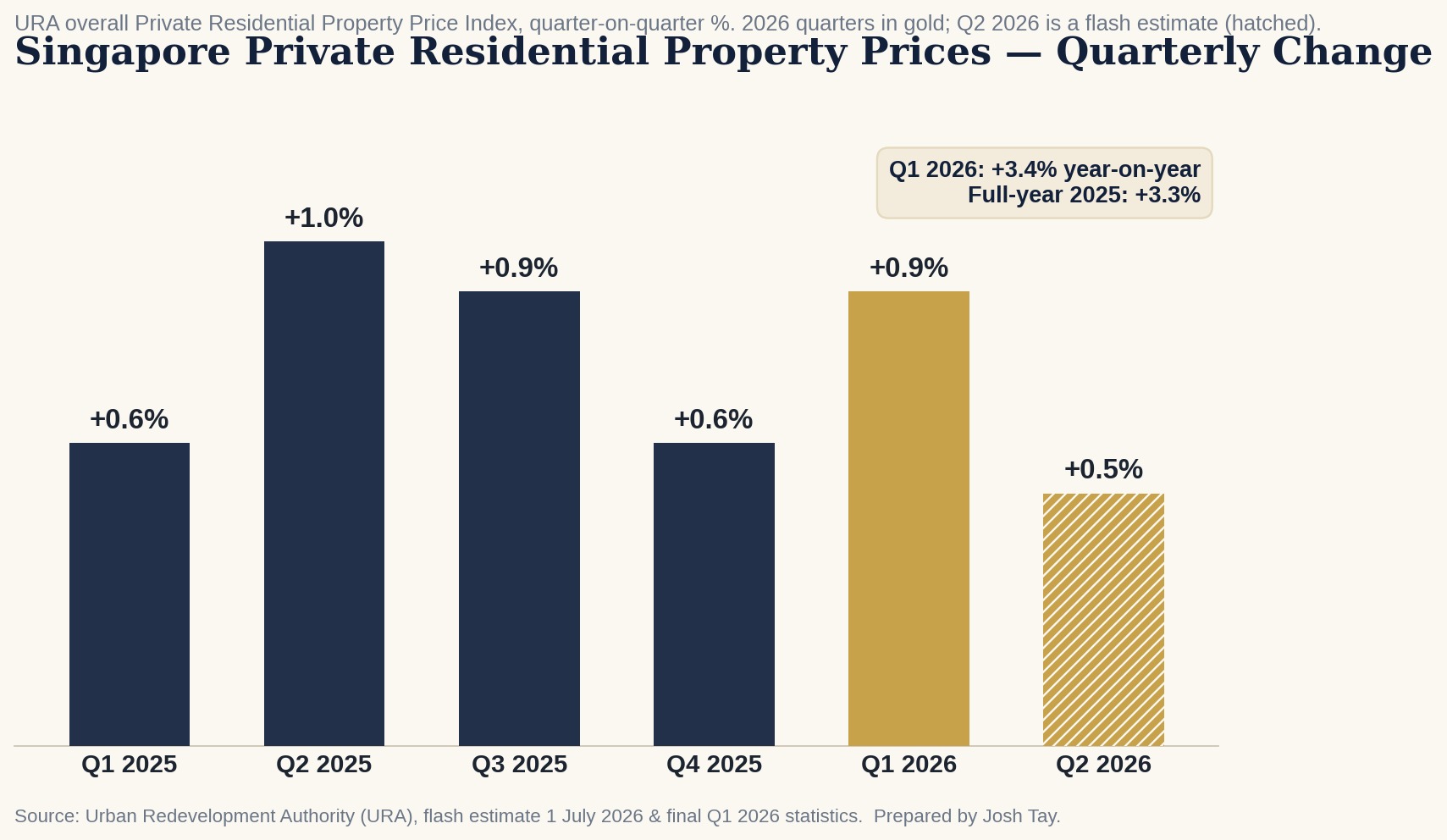
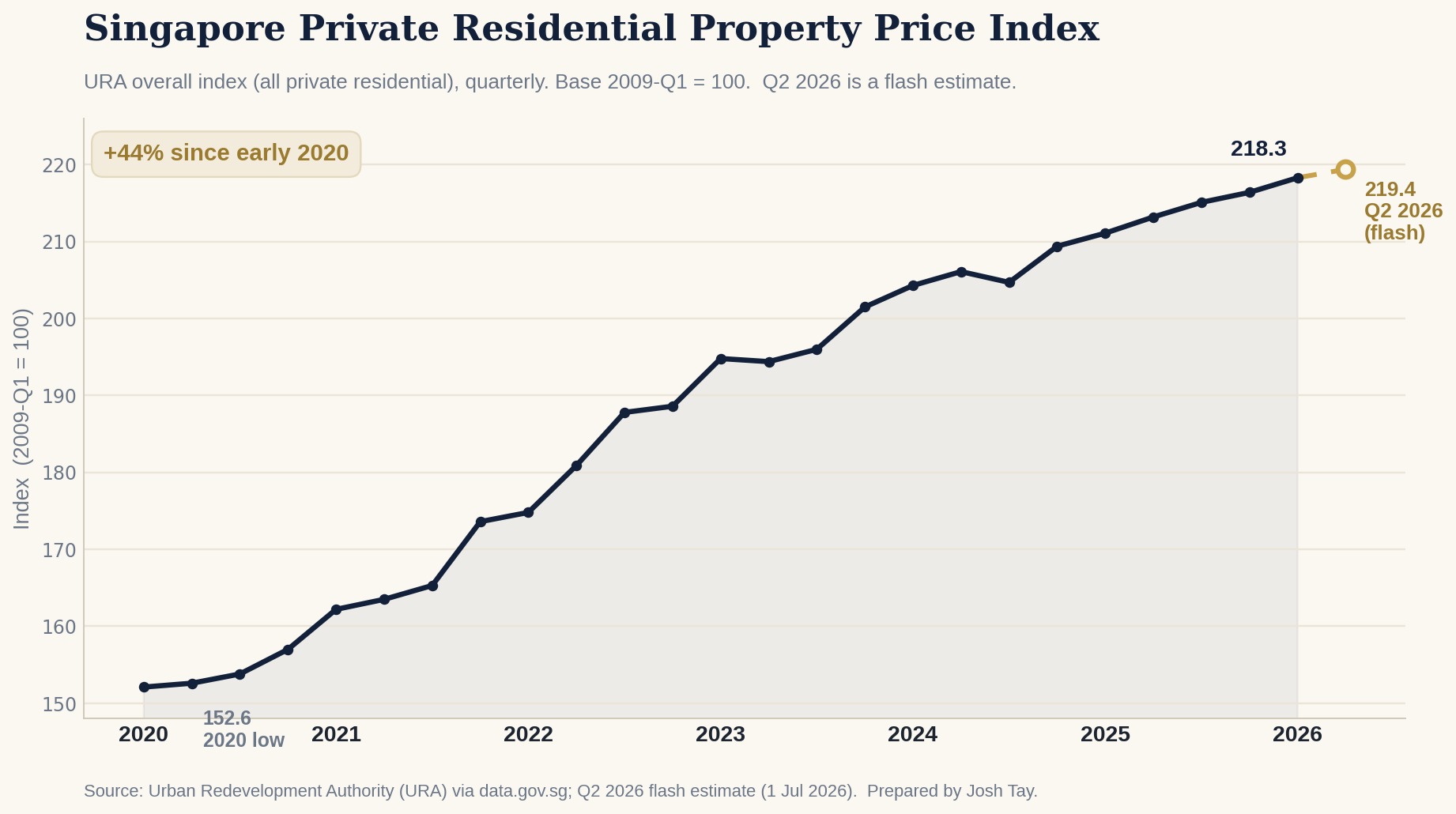
If you've been reading the headlines this year, you'd be forgiven for thinking the Singapore property market is running out of steam. Price growth has slowed. New launches have thinned out. Everyone's talking about buyers waiting on the sidelines.
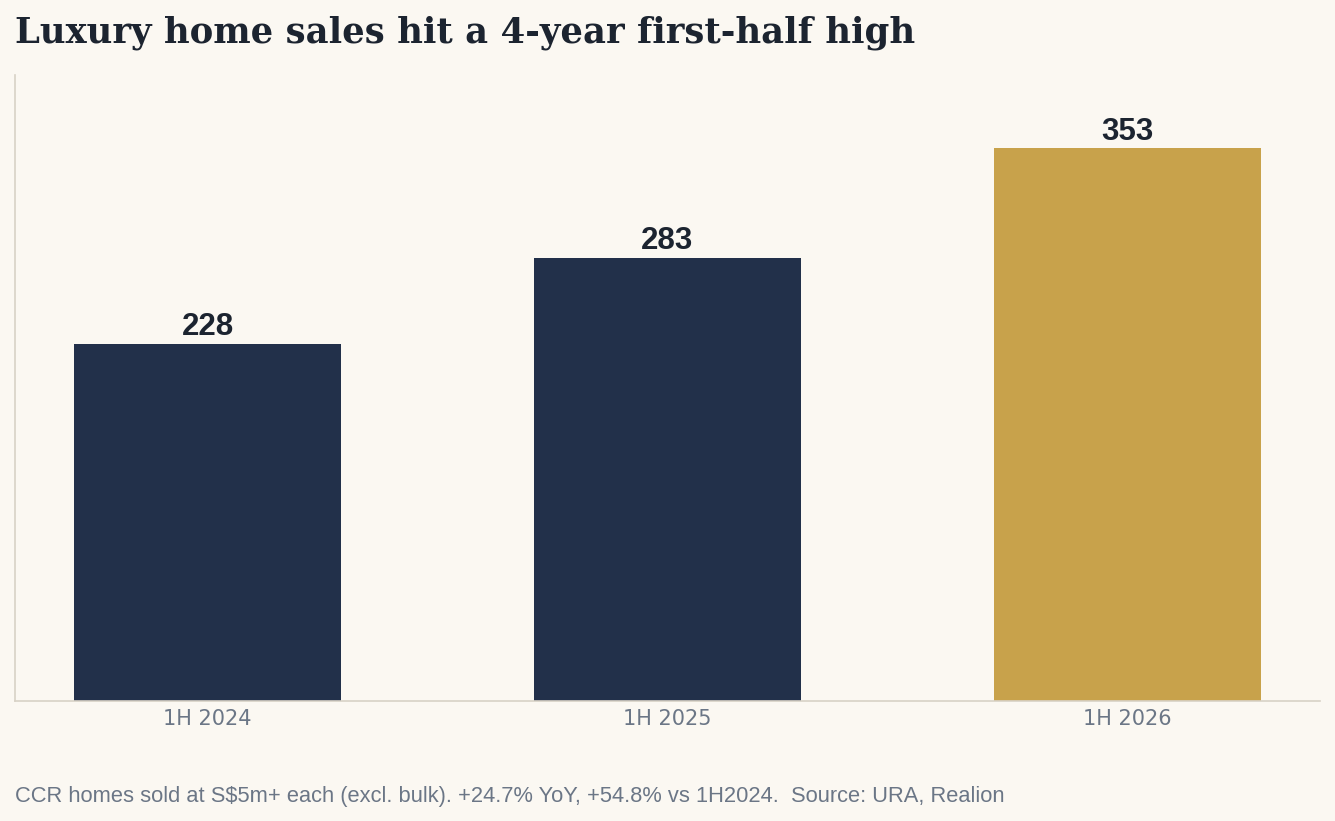
And yet, in the first half of 2026, luxury home sales spiked 24.7% year-on-year — the strongest first-half showing in four years. A total of 353 homes in the Core Central Region changed hands for at least S$5 million each, up from 283 a year ago.
So here's the question worth sitting with: if demand is supposedly weak, why is the money at the top end moving faster than it has in years?
The answer isn't a contradiction. It's a signal. And if you own property in Singapore — or you're thinking about where to put your next dollar — it's one you don't want to miss.
The Two Markets Are Splitting
There's a mistake most people make. They talk about “the market” as if it's one thing. It isn't. The broad market is moderating — overall private home sales actually fell in the first half of 2026, from 12,328 units a year ago to 10,909. The luxury market did the opposite. It accelerated.
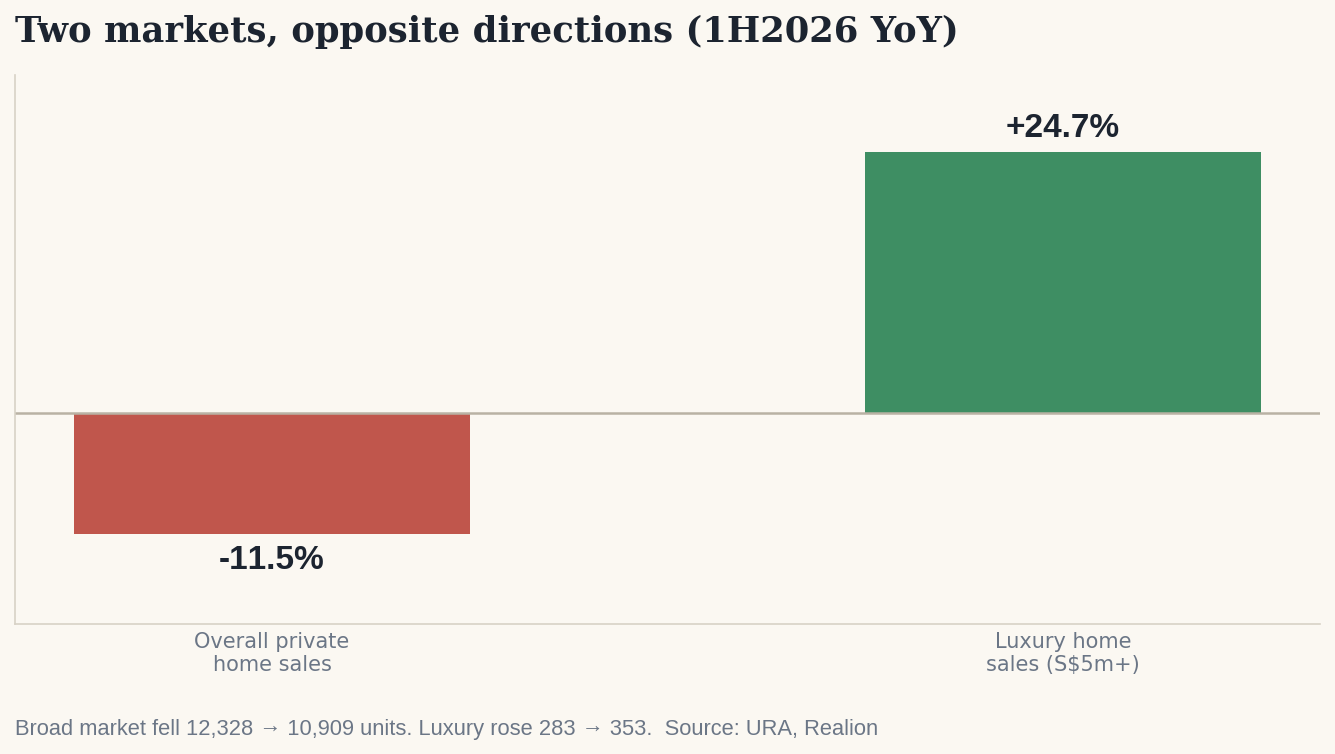
That gap is the whole point. When the wider market gets nervous, capital doesn't disappear. It concentrates. It flows toward assets that hold value when everything else feels uncertain. That's exactly what a safe-haven rush looks like.
353 Homes — a Four-Year High
The headline figure is the clearest tell. 353 Core Central Region homes sold for at least S$5 million each in the first half of 2026 — up 24.7% on last year, and 54.8% higher than 1H2024. This isn't a blip. It's the strongest first-half in a full property cycle.
The Surge Was Broad, Not Concentrated
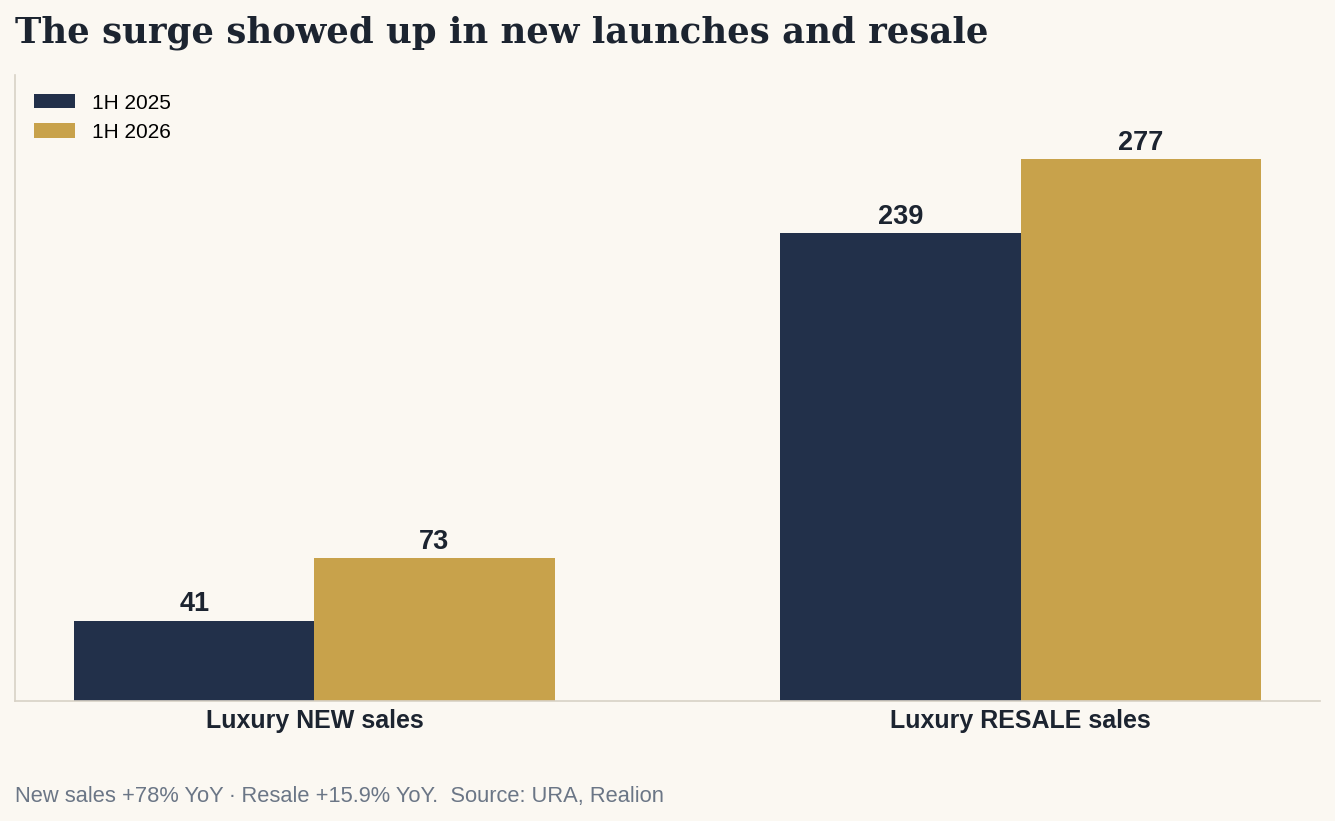
The growth showed up across both the new sale and resale prime markets — luxury new home sales jumped 78% (41 to 73 units) while resales rose 15.9% (239 to 277 units).
And with 101 projects each inking at least one deal — led by River Modern (44 units), The Draycott (11), Goodwood Residence (8) and Leedon Residence (8) — this isn't a handful of wealthy buyers chasing the same address. It's robust, widespread, resilient appetite. The kind that tells you conviction is real, not manufactured hype.
The Very Top End Is Running Hottest
At the peak of the market, the ultra-luxury segment — deals of at least S$10 million — hit a 15-quarter high, with 23 homes transacted in Q2 alone. The priciest: a 646 sqm unit at Nassim Park Residences at S$22.95 million.
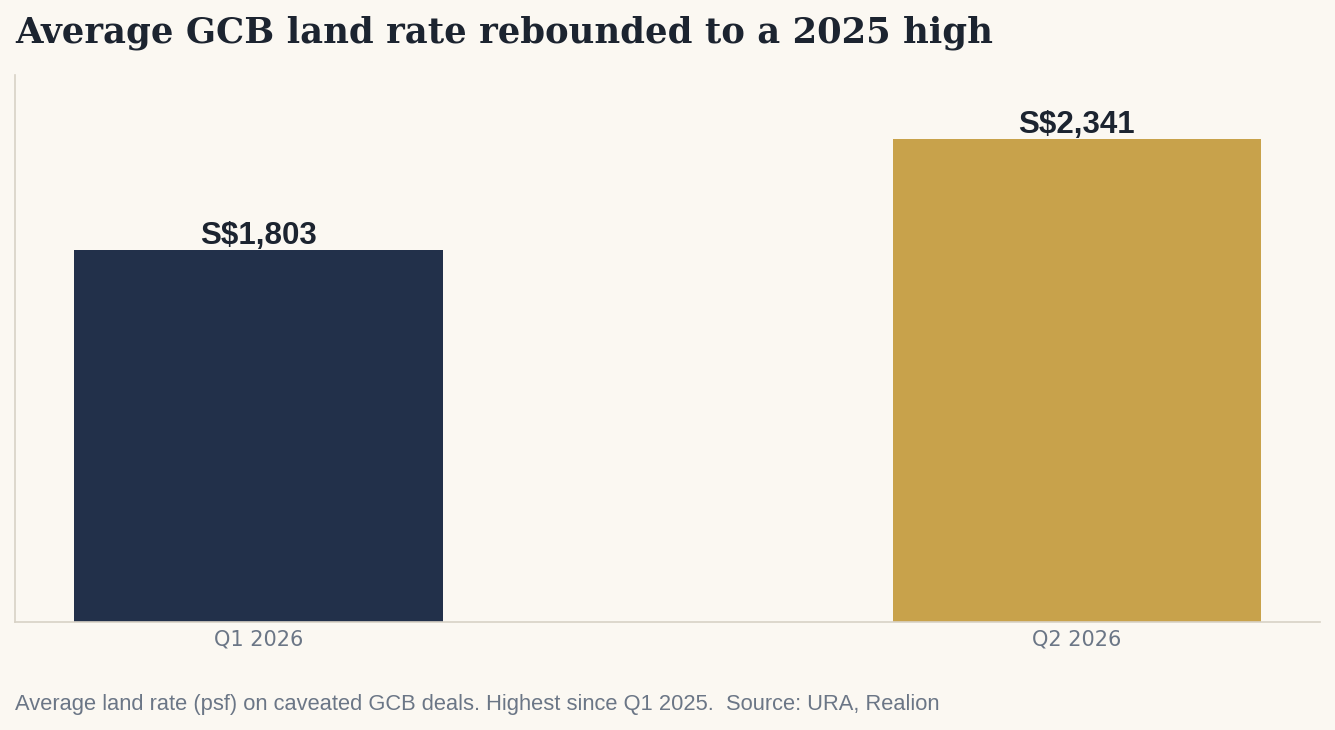
And Good Class Bungalows — the most scarce, most protected slice of Singapore land — saw activity pick up too, headlined by a S$64.9 million deal on Nassim Road.
Why the Wealthy Are Buying Now, Not Later
Here's what I see on the ground. When markets feel uncertain, the average buyer freezes. But the ultra-high-net-worth buyer thinks differently. For them, uncertainty isn't a reason to wait — it's a reason to reposition. Three things are pulling capital into Singapore's prime market right now.
First, Singapore as a safe haven. In a world of geopolitical noise and volatile markets, Singapore offers stability, rule of law, and a currency that holds. Prime residential here isn't just a home — it's a store of wealth.
Second, scarcity at the top. Good Class Bungalows and genuine ultra-prime homes are finite. You can't build more GCB land. When the wealthy sense a window, they move.
Third, cooling measures filtered demand, not froze it. The buyers left standing are the ones who can afford to hold for the long term — and that makes values far more durable through a slowdown.
Who Is Actually Driving This
From what I'm seeing, the luxury buyers active in 2026 fall into three groups: wealth preservers moving capital into something that sleeps well at night; long-term believers who treat Singapore prime as a generational hold, not a trade; and opportunistic repositioners who already own here but recognise their capital is over-concentrated in one segment.
Notice what none of these buyers are doing: panicking, flipping, or timing the bottom. They're making considered decisions. And that's exactly why the segment they're buying into tends to hold value better tomorrow.
The Question You Should Be Asking Yourself
If you already own property in Singapore, the headline slowdown might have you feeling stuck. That's understandable. But the more useful question isn't whether the market is up or down. It's this: is your capital sitting in the part of the market that's cooling — or the part that's proving resilient? If the broad market moderates further, is your portfolio positioned to hold value, or to drift? And if a genuine ultra-prime opportunity appeared, are you in a position to act — or just to watch?
Most homeowners don't need more property. They need better-placed property. The luxury data from this quarter is a reminder that in a selective market, where your capital sits matters far more than simply that you own.
Let's Talk Through Your Position
If you're a Singaporean, PR or expat weighing whether your next move should be in the prime market — or whether your current holdings are working as hard as they should — that's a conversation worth having properly. With real numbers, real scenarios, and your actual position in mind. If you'd like to talk it through, I'm happy to help. Connect with me.
Figures from URA Realis caveat data.